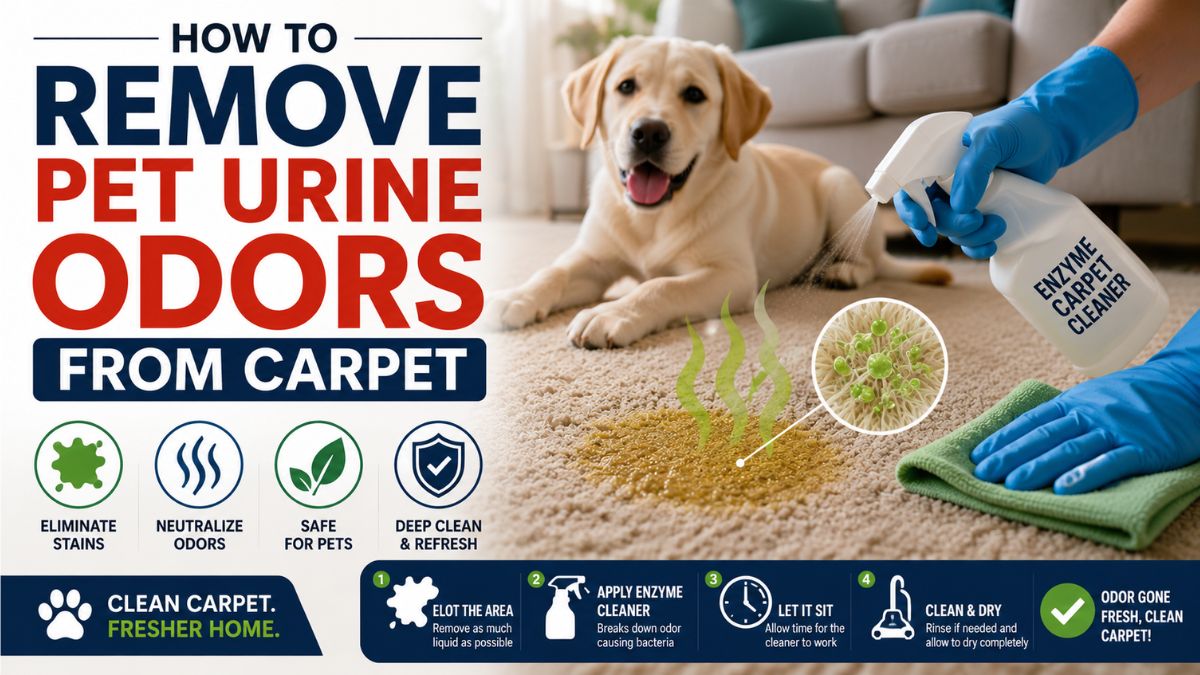
How to Remove Pet Urine Odors from Carpet
Many pet owners struggle with lingering urine smells despite regular carpet cleaning. You can effectively eliminate these odors using simple, proven methods that target both stain and smell. With the right approach, your carpet can be fresh, clean, and odor-free without harsh chemicals or costly services.
Key Takeaways:
- Pet urine odors embed deep into carpet fibers and padding, so surface cleaning alone won’t eliminate the smell-target the source with an enzyme-based cleaner that breaks down odor-causing bacteria.
- Blot up fresh urine immediately with a clean cloth or paper towel, then apply a vinegar and water solution to neutralize alkaline residues before using an enzymatic treatment for best results.
- Always test cleaning solutions in a small, hidden area first to avoid discoloration, and allow treated areas to dry completely-using fans or dehumidifiers can speed drying and prevent lingering dampness that worsens odors.
Key Factors Influencing Odor Persistence
- Carpet fiber type affects how deeply urine penetrates
- Older stains are harder to treat due to bacterial breakdown byproducts
- Urine volume and number of incidents increase odor strength
- Incomplete cleaning leaves residual enzymes active
Assume that every stain has unique variables affecting how long the smell lingers.
Carpet Fiber Composition and Absorbency
Nylon and wool fibers absorb more moisture than polyester, trapping urine deeper within the structure. This absorbency makes odors harder to remove, especially if treatment is delayed. You’ll need targeted cleaning solutions that break down organic compounds without damaging the fibers. Act quickly to prevent lasting damage.
Impact of Urine Depth on Padding and Subfloors
Urine that reaches the padding creates a hidden reservoir of odor-causing bacteria. Standard surface cleaning won’t reach these contaminants. You’re likely to see recurring smells if the underlayer isn’t treated. Immediate extraction and disinfection are necessary to stop long-term issues.
When urine seeps past the carpet, it saturates the padding and may reach the subfloor, creating a breeding ground for bacteria and mold. These microorganisms produce ammonia and other volatile compounds that cause persistent odors. You must address both the carpet and underlying layers using enzymatic cleaners that digest organic waste. Ignoring the depth of contamination guarantees incomplete results.
Essential Tools and Cleaning Agents
To effectively eliminate pet urine odors from carpet, you’ll need the right combination of cleaning agents and tools. Enzymatic cleaners break down odor-causing bacteria, while extraction tools help remove moisture trapped deep in fibers. Having these supplies ready ensures a thorough cleanup and reduces the chance of lingering smells or repeat accidents in the same spot.
Selecting Effective Enzymatic Cleaners
You should choose an enzymatic cleaner specifically formulated for pet urine. These products use natural enzymes to digest organic waste, eliminating odors at the source instead of masking them. Check the label to confirm it’s safe for your carpet type and contains live cultures for maximum effectiveness on dried or aged stains.
Necessary Equipment for Deep Extraction
A wet-dry vacuum or carpet extractor helps pull urine residue and cleaning solution from deep within carpet fibers and padding. Without proper extraction, moisture can remain hidden, leading to persistent odors or mold growth. This step ensures your carpet dries completely and stays fresh long after cleaning.
Deep extraction requires more than just surface cleaning. A carpet extractor forces cleaning solution into the fibers and immediately suctions it back out, lifting contaminants from the backing and padding where odors often linger. Using this equipment correctly prevents over-wetting, which can damage carpet adhesive or subfloor. For best results, go over the area multiple times and allow ample drying time with fans or open windows.
How-to: Immediate Action for Fresh Urine Spills
Act fast when your pet has an accident to stop odors from setting in. The quicker you respond, the better your chances of full removal. Begin by removing as much moisture as possible using clean, absorbent materials. Time is your ally-don’t wait for stains to dry before treating them.
Proper Blotting Techniques to Prevent Spreading
Press a clean, dry towel firmly onto the wet area instead of rubbing. Rubbing pushes urine deeper and spreads the stain. Use your hand or a flat object to apply even pressure. Replace the towel as it absorbs moisture until no more wetness transfers.
Applying Neutralizing Solutions to Active Stains
Pour an enzymatic cleaner directly on the spot after blotting. These formulas break down odor-causing bacteria at the source. Follow label instructions for dwell time, usually 5-10 minutes. Avoid mixing with other cleaners, which can reduce effectiveness.
Enzymatic cleaners work by introducing natural bacteria that consume urine components like urea and ammonia. This process eliminates the odor instead of masking it. For best results, saturate the area thoroughly so the solution reaches fibers and padding below. Let it air dry naturally-do not walk on or cover the area until fully dry. Reapplication may be needed for older or repeated stains, but most fresh spills respond well to a single treatment when applied correctly.
How-to: Eliminating Deep-Set Dried Odors
Old urine stains often linger beneath the surface, even when invisible to the eye. You’ll need targeted methods to break down the crystallized residue that standard cleaners miss. This step restores freshness by addressing odor at its source, not just masking it.
Identifying Hidden Spots with Ultraviolet Light
Urine stains can remain hidden in carpet fibers long after cleaning. You can spot them easily using a UV flashlight in a dark room. These areas glow under the light, showing exactly where treatment is needed.
Rehydrating and Extracting Embedded Residue
Water dissolves old urine crystals trapped in carpet padding. You’ll soak the spot lightly to reactivate the odor-causing compounds. This allows extraction methods to pull out what’s been sealed in for months.
Enzyme-based cleaners work best after rehydration because they target organic matter. Once the dried residue is softened with moisture, the enzymes break down urea and ammonia at a molecular level. Use a clean cloth or wet vac to extract the liquid, reducing the chance of lingering smells or repeat marking by pets.
Expert Tips for Maintaining a Fresh Environment
- Blot spills immediately to prevent deep staining
- Use enzyme-based cleaners weekly in high-traffic pet areas
- Change air filters every 30-60 days to reduce airborne odors
- Wash pet bedding regularly to minimize odor transfer
Knowing how small habits impact air and carpet quality helps you stay ahead of lingering smells.
Routine Maintenance and Vacuuming Strategies
Consistent vacuuming removes pet hair, dander, and dried residue that can trap odors. Aim to vacuum high-use zones at least three times a week using a machine with strong suction and a HEPA filter. Focus on edges and under furniture where debris accumulates. This daily upkeep prevents buildup that complicates deep cleaning later.
Utilizing Natural Deodorizers for Daily Care
Baking soda works quietly beneath your feet to absorb daily odors when sprinkled and left before vacuuming. A light mist of water and vinegar solution on non-synthetic carpets can also refresh fibers between cleanings. These simple steps keep your space smelling neutral without harsh chemicals.
Natural deodorizers offer a safe, effective way to manage everyday smells without risking carpet damage or pet irritation. Baking soda neutralizes acidic residues left by urine, while diluted white vinegar breaks down alkaline traces and acts as a mild disinfectant. For best results, let baking soda sit overnight in problem areas before vacuuming thoroughly. You can also add a few drops of crucial oils like lavender or eucalyptus to the baking soda for a subtle, pleasant scent-just ensure the oil is pet-safe and well-diluted. These ingredients work with your cleaning routine, not against it, helping maintain freshness day after day.
Professional Intervention and Replacement Criteria
Some pet urine odors resist even the most thorough home treatments. When lingering smells persist after repeated cleaning attempts, it may be time to consider professional help or evaluate whether replacement is necessary for a truly fresh result.
Recognizing When Odor Requires Industrial Steam Cleaning
You might notice the smell returns when humidity rises or after steam-cleaning with home equipment. This signals urine has reached the padding or subfloor. Industrial-grade steam cleaning uses higher temperatures and stronger extraction to pull out deeply embedded contaminants that household tools can’t reach.
Assessing Permanent Damage to Carpet Integrity
Discoloration, matting, or a spongy feel underfoot often mean the carpet fibers or backing have degraded. If the material no longer bounces back or holds its shape, structural damage is likely irreversible, and cleaning alone won’t restore hygiene or appearance.
Over time, pet urine breaks down synthetic carpet fibers and deteriorates the backing material, especially if saturation occurred multiple times. Bacteria and mold can colonize the padding, creating ongoing health concerns. In these cases, removing and replacing the affected section-not just cleaning-is the only way to fully eliminate odor sources and prevent future issues.
Summing Up
From above, you see that removing pet urine odors from carpet requires prompt action, the right cleaning solutions, and thorough treatment of the affected area. You must blot, clean with enzyme-based products, and ensure deep penetration to break down odor-causing bacteria. Proper drying completes the process, leaving your carpet fresh and odor-free.
Frequently Asked Questions (FAQ)
What is the first step to remove pet urine odor from carpet?
Blot up as much of the urine as possible right away using clean, absorbent towels. Press down firmly to soak up the liquid without rubbing, which can push the urine deeper into the carpet fibers and padding. The faster you act, the better your chances of fully removing both the stain and odor. Avoid using steam cleaners at this stage, as the heat can set the stain and make the smell worse.
Can household items like vinegar and baking soda effectively eliminate pet urine smell?
Yes, a mixture of white vinegar and water can neutralize the ammonia smell of urine. Mix one part vinegar with one part water and apply it to the affected area, letting it sit for 5-10 minutes before blotting dry. Afterward, sprinkle a generous amount of baking soda over the spot. The baking soda absorbs lingering odors. For stronger results, spray a little more vinegar over the baking soda to create a fizzing reaction, then let it dry completely before vacuuming. This method works well for surface-level odors but may not reach deep into padding if the urine soaked through.
What should I do if the urine odor comes back after cleaning?
Recurring smells usually mean the urine reached the carpet padding or subfloor. Start by lifting the carpet edge to inspect the padding underneath. If it’s damp or smells strongly, it may need to be replaced. For deep-seated odors, use an enzymatic cleaner designed for pet urine. These cleaners break down the bacteria and uric acid crystals that cause odors. Apply the enzyme cleaner according to the label, saturating the carpet and padding if possible, and allow it to dry naturally-this can take 24-48 hours. Avoid covering the area during drying to ensure proper airflow.