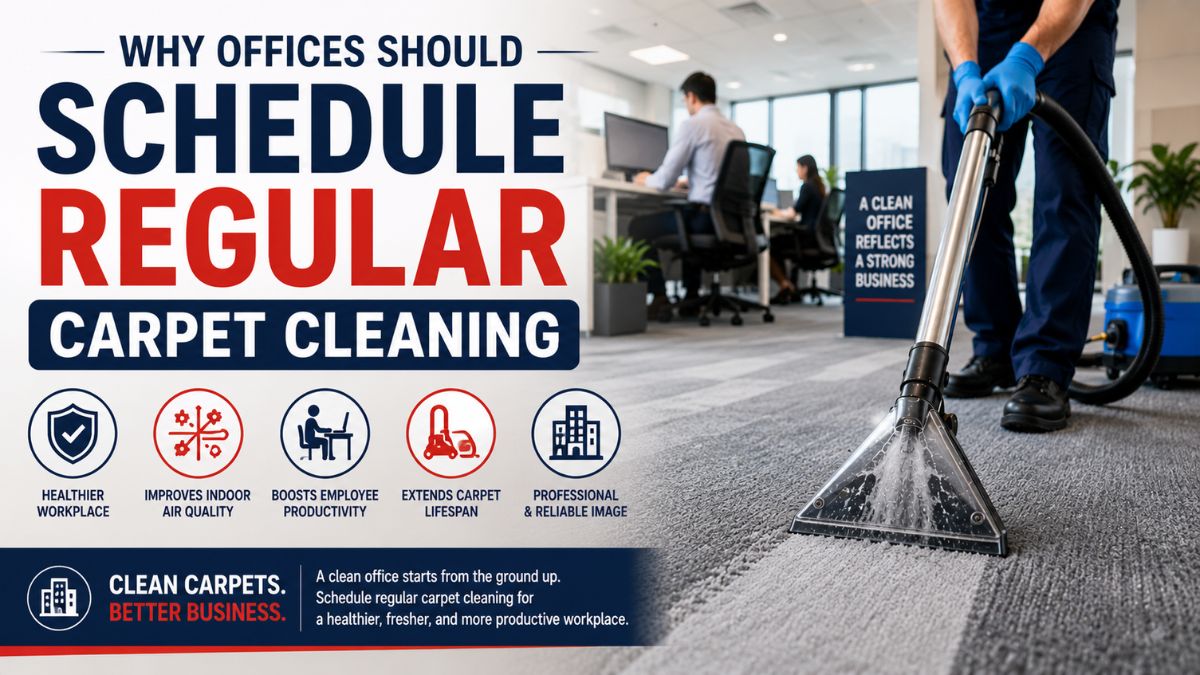
Why Offices Should Schedule Regular Carpet Cleaning
Offices with carpeted floors face constant challenges from daily foot traffic, spills, and accumulated dirt that compromise both appearance and air quality. Your workplace carpets harbor allergens, bacteria, and dust mites that affect employee health and productivity. Professional office carpet cleaning extends the lifespan of your flooring investment while creating a healthier, more professional environment for your team and clients.
Key Takeaways:
- Regular carpet cleaning improves indoor air quality by removing trapped allergens, dust mites, and bacteria that accumulate in carpet fibers, creating a healthier work environment and reducing employee sick days.
- Professional carpet maintenance extends the lifespan of office carpeting by preventing permanent staining and fiber deterioration, protecting your investment and delaying expensive replacement costs.
- Clean carpets enhance your company’s professional image when clients and visitors enter your office, demonstrating attention to detail and commitment to maintaining a well-kept workplace.
Primary Benefits of Regular Office Carpet Maintenance
Professional carpet cleaning delivers measurable returns that extend far beyond surface-level cleanliness. Your investment in scheduled maintenance protects both your physical assets and your workforce’s wellbeing. Clean carpets contribute to a healthier workspace while extending the lifespan of your flooring investment by years.
Enhancing Indoor Air Quality and Employee Health
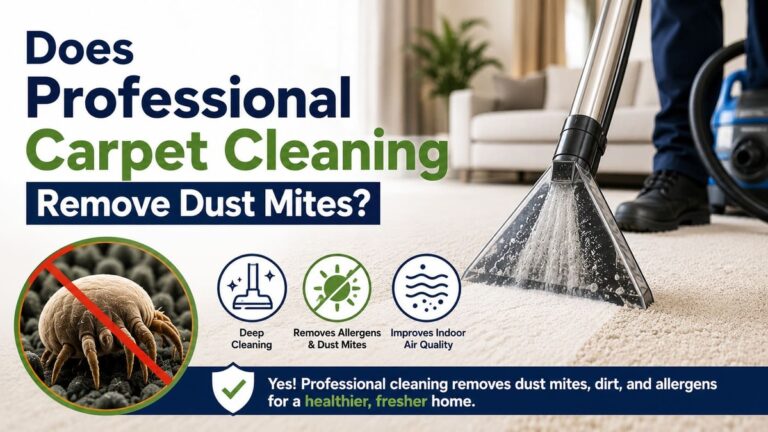
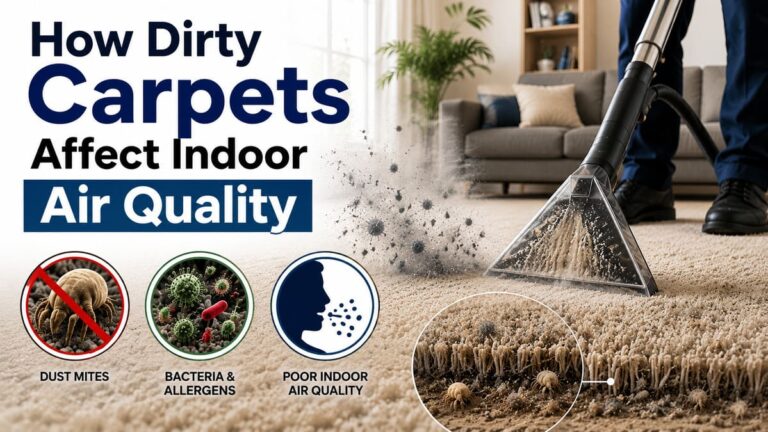
Carpets trap allergens, dust mites, and pollutants that circulate through your office environment daily. Regular deep cleaning removes these contaminants, reducing respiratory issues and sick days among your staff. Your employees breathe cleaner air, leading to improved productivity and fewer health-related absences.
Preserving Professional Brand Image and Aesthetics
Clean carpets create powerful first impressions when clients visit your office. Stained or worn flooring signals neglect and undermines your professional credibility. Scheduled maintenance keeps your workspace looking polished and demonstrates attention to detail that reflects your business standards.
Your office appearance directly influences how clients perceive your company’s values and competence. Dingy carpets suggest poor management and lack of investment in quality, while pristine flooring conveys professionalism and success. Visitors form judgments within seconds of entering your space, making carpet condition a silent ambassador for your brand. Regular cleaning prevents permanent staining and wear patterns that age your office prematurely, protecting the substantial investment you made in quality flooring materials.
Common Types of Commercial Carpet Cleaning Methods
Professional carpet cleaning services employ various techniques to maintain your office flooring. Each method offers distinct advantages depending on your carpet type, soil level, and business schedule. You’ll find that selecting the right approach ensures optimal results for your workspace. Any commercial cleaning company should assess your specific needs before recommending a method.
- Hot water extraction (steam cleaning)
- Encapsulation cleaning
- Dry chemical cleaning
- Bonnet cleaning
- Shampooing
| Cleaning Method | Typical Drying Time |
| Hot Water Extraction | 6-12 hours |
| Encapsulation | 1-2 hours |
| Dry Chemical | 30-60 minutes |
| Bonnet Cleaning | 2-4 hours |
| Shampooing | 4-6 hours |
Hot Water Extraction and Steam Cleaning
This deep-cleaning method injects hot water and cleaning solution into carpet fibers, then extracts dirt with powerful suction. Your carpets receive the most thorough cleaning available, removing embedded soil and allergens. The process requires extended drying time but delivers exceptional results for heavily soiled areas.
Encapsulation and Dry Chemical Techniques
These low-moisture methods apply specialized polymers that crystallize around dirt particles for easy removal. Your office experiences minimal downtime since carpets dry quickly, allowing immediate foot traffic. The techniques work best for routine maintenance between deep cleanings.
Encapsulation technology has revolutionized commercial carpet maintenance by offering you a sustainable, efficient alternative to traditional wet cleaning. The synthetic polymers used in this process surround soil particles, preventing them from reattaching to carpet fibers during the drying phase. Your cleaning team can complete the process during business hours without disrupting operations. The method reduces water consumption by up to 90% compared to steam cleaning, making it an environmentally responsible choice for your facility. Dry chemical techniques similarly use absorbent compounds that attract and capture dirt, which you can then vacuum away completely. Both approaches extend the time between intensive cleaning sessions while keeping your carpets looking fresh and professional.
Critical Factors Determining Cleaning Frequency
Your office carpets require attention based on several specific conditions that affect their wear and soil accumulation. Employee count, industry type, presence of outdoor entrances, and building age all influence how quickly carpets deteriorate. Different workspace configurations create unique maintenance demands that you must address through customized cleaning schedules. Assume that high-performance environments need more frequent professional intervention than low-traffic spaces.
Foot Traffic Volume and Office Layout
Busy corridors, reception areas, and conference rooms accumulate dirt faster than private offices or storage spaces. Your carpet’s lifespan directly correlates with the number of people walking across it daily. Open-plan designs with multiple access points distribute wear differently than traditional closed-office layouts. Plan your cleaning frequency around these traffic patterns for optimal results.
Local Climate and Seasonal Environmental Impacts
Weather conditions in your region determine how much external debris enters your building throughout the year. Rain, snow, and humidity create distinct challenges that affect carpet cleanliness and require adjusted maintenance schedules. Seasonal changes bring varying amounts of moisture, pollen, and particulates that embed deep within carpet fibers. Your cleaning calendar should reflect these environmental variations.
Rainy seasons introduce moisture and mud that saturate carpet backing, creating perfect conditions for mold and bacterial growth. Winter months bring salt, sand, and de-icing chemicals that damage fibers and leave visible residue trails throughout your workspace. Spring pollen counts spike dramatically, triggering allergies among staff while settling into carpet pile where regular vacuuming cannot reach. Coastal offices face salt air corrosion, while desert locations contend with fine dust particles that penetrate deep into carpet construction. Temperature fluctuations cause expansion and contraction in carpet materials, accelerating wear in climate-controlled environments with extreme outdoor conditions.
Pros and Cons of Professional vs. In-House Cleaning
Deciding between professional carpet cleaning services and in-house maintenance requires careful consideration of multiple factors. Your choice impacts both your budget and carpet longevity, making it necessary to weigh each option’s benefits against potential drawbacks before committing to a cleaning strategy.
| Professional Cleaning | In-House Cleaning |
| Advanced equipment and technology | Lower upfront costs |
| Specialized training and expertise | Greater scheduling flexibility |
| Deep extraction capabilities | Immediate spot treatment available |
| No equipment storage needed | Familiar with office layout |
| Insurance coverage included | No external coordination required |
| Higher service costs | Limited equipment quality |
| Requires advance scheduling | Requires staff training time |
| Less control over timing | Inconsistent results possible |
| Strangers in workspace | Equipment maintenance costs |
| May require office closure | Staff diverted from core duties |
Analyzing Cost-Efficiency and Long-Term Value
Professional services typically cost more per visit but deliver superior results that extend carpet life. Your investment in expert cleaning can prevent premature replacement costs, while inadequate in-house methods may lead to permanent staining and fiber damage requiring earlier carpet replacement.
Equipment Quality and Specialized Expertise
Professional cleaners use industrial-grade machines that extract far more moisture and dirt than rental or consumer models. Your carpets benefit from their specialized knowledge of different fiber types, stain treatments, and appropriate cleaning solutions for various situations.
Commercial cleaning companies invest thousands in truck-mounted systems and rotary extractors that generate heat and suction power impossible to replicate with basic equipment. Their technicians receive ongoing training in new cleaning methods, chemical formulations, and carpet care technologies. You gain access to this expertise without bearing the cost of equipment purchases, maintenance, or staff certification programs that would strain your operational budget.
Step-by-Step Guide to the Professional Cleaning Process
Professional carpet cleaning follows a systematic approach that ensures thorough results for your office environment. Understanding each phase helps you appreciate the value of expert service and sets proper expectations for your team.
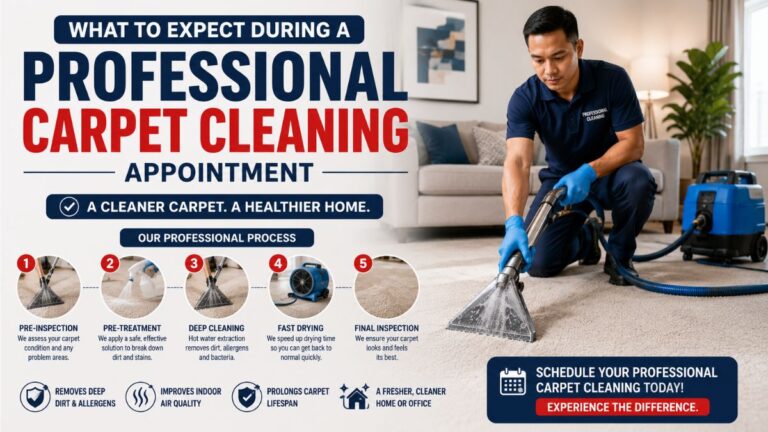
| Inspection Phase | Assessment of carpet condition, fiber type, and problem areas |
| Pre-Treatment | Application of specialized solutions to stains and high-traffic zones |
| Deep Extraction | Hot water extraction removes embedded dirt and cleaning agents |
| Drying Process | Controlled airflow and temperature management for quick drying |
| Final Inspection | Quality check and grooming of carpet fibers |
Pre-Inspection and Targeted Stain Pre-Treatment
Your cleaning technician begins by examining carpet fibers, identifying stain types, and noting worn areas. Specialized solutions are applied to stubborn spots, allowing chemical action to break down oils, proteins, and embedded grime before the main cleaning begins.
Deep Extraction and Controlled Drying Procedures
Hot water extraction machinery injects heated cleaning solution deep into carpet fibers, then immediately extracts it along with dissolved dirt. Powerful suction removes approximately 95% of moisture, leaving carpets clean and nearly dry.
Your carpets benefit from industrial-grade equipment that combines heat, pressure, and suction far beyond consumer-level machines. Technicians adjust water temperature and extraction speed based on your specific carpet type, preventing damage while maximizing cleanliness. Air movers positioned strategically accelerate drying time to just 4-6 hours, allowing your staff to resume normal operations quickly without extended disruption to your workspace.
Expert Tips for Prolonging Carpet Life Between Services
Your office carpets need consistent care between professional cleanings to maintain their appearance and durability. Simple daily practices can dramatically extend carpet lifespan while keeping your workspace looking professional.
- Remove spills immediately with blotting motions
- Enforce no-food policies in carpeted areas
- Rotate furniture periodically to prevent wear patterns
- Use chair mats under wheeled office furniture
Recognizing these preventive measures saves money and preserves your investment.
Implementing Effective Entry Matting Systems
Placing commercial-grade mats at all building entrances prevents up to 80% of dirt from reaching your carpets. You should install walk-off mats measuring at least 15 feet in length to capture debris, moisture, and contaminants from foot traffic. Clean and replace these mats regularly to ensure they continue trapping particles effectively.
Establishing High-Frequency Vacuuming Protocols
Daily vacuuming in high-traffic areas removes abrasive soil particles before they damage carpet fibers. You must create a scheduled routine that addresses reception areas, hallways, and conference rooms every business day. Carpets in low-traffic zones require attention at least twice weekly for optimal maintenance.
Professional cleaning services recommend using commercial vacuum cleaners with HEPA filtration and adjustable height settings for different carpet pile depths. You achieve better results by vacuuming slowly, making multiple passes in different directions to lift embedded dirt and restore carpet texture. Empty vacuum bags or canisters when they reach half capacity to maintain suction power, and inspect brushes monthly for wear or tangling that reduces cleaning effectiveness. Training your janitorial staff on proper vacuuming techniques ensures consistent results across all carpeted areas in your facility.
Conclusion
Now you understand that regular carpet cleaning protects your investment, extends flooring lifespan, and creates healthier workspaces for your team. Professional maintenance removes allergens, eliminates odors, and presents a polished image to clients and visitors. You’ll reduce long-term replacement costs while improving indoor air quality and employee productivity. Scheduling consistent carpet care demonstrates your commitment to workplace standards and employee well-being.
Frequently Asked Questions (FAQ)
How does regular carpet cleaning improve employee health and productivity?
Office carpets trap dust, allergens, bacteria, and pollutants that accumulate over time and affect indoor air quality. Employees who breathe in these contaminants may experience increased allergies, respiratory issues, and frequent sick days. Professional carpet cleaning removes these hidden health hazards and creates a cleaner breathing environment. Studies show that workers in cleaner office environments report fewer health complaints and demonstrate better concentration levels. Clean carpets also reduce the spread of germs and viruses that employees track in from outside, which becomes especially important during cold and flu season. The investment in regular cleaning pays for itself through reduced absenteeism and higher employee performance throughout the year.
What is the recommended frequency for professional carpet cleaning in office spaces?
Most commercial spaces benefit from professional carpet cleaning every 3-6 months, though the ideal schedule depends on several factors. High-traffic offices with many employees or regular client visits should schedule cleaning every 3-4 months to maintain appearance and hygiene standards. Smaller offices with fewer occupants can extend the interval to 5-6 months between deep cleaning sessions. Areas near entrances, conference rooms, and break rooms need more frequent attention due to heavier use and increased soil accumulation. Businesses should also consider seasonal factors, scheduling extra cleanings after winter months when salt, mud, and moisture take their toll on carpet fibers. Regular vacuuming between professional cleanings helps extend carpet life, but only hot water extraction or steam cleaning can remove deeply embedded dirt and sanitize the fibers properly.
Does regular carpet cleaning actually save money compared to early replacement?
Professional carpet cleaning extends the lifespan of office carpets by 3-5 years on average, which represents significant cost savings for any business. Quality commercial carpeting is costly, making replacement a major expense for most offices. Regular cleaning removes the abrasive dirt particles that wear down carpet fibers and cause premature aging, protecting your flooring investment. Stains that sit untreated become permanent and force early replacement, while prompt professional cleaning can remove most spills and marks completely. Well-maintained carpets also help businesses avoid the disruption and downtime associated with full carpet replacement projects. The cost of quarterly or semi-annual cleaning services amounts to a fraction of what you would spend on new carpeting, making it one of the most cost-effective maintenance decisions an office manager can make.