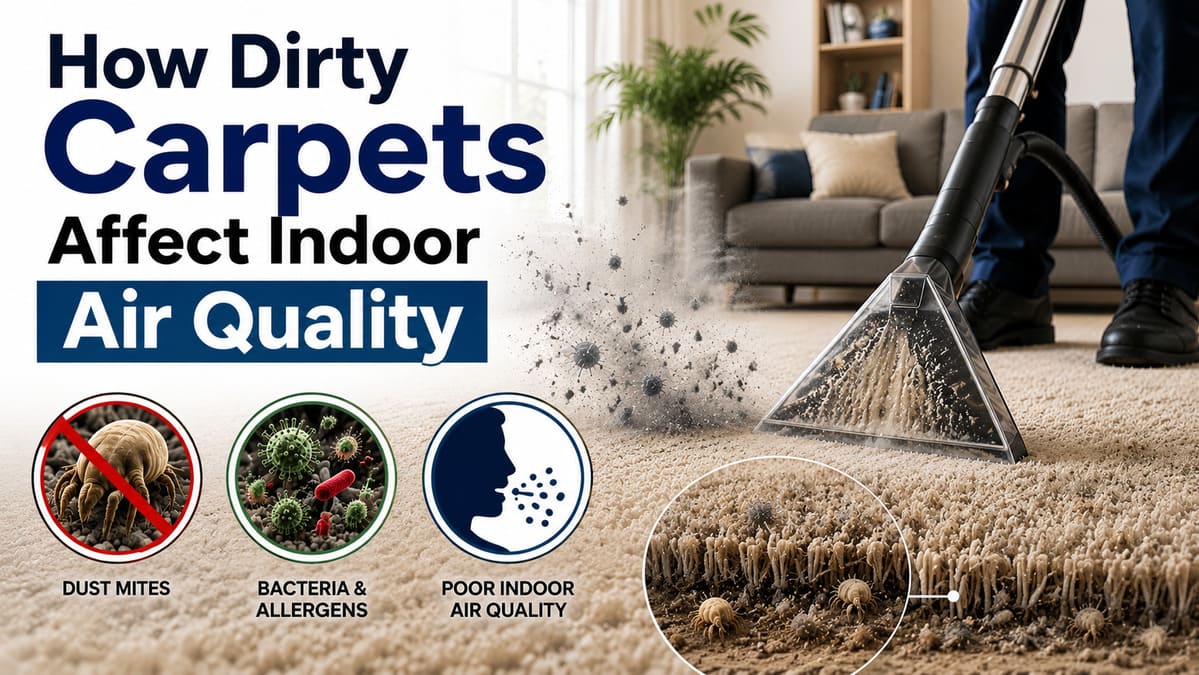
How Dirty Carpets Affect Indoor Air Quality
Most homeowners don’t realize that your carpets act as giant air filters, trapping dust, allergens, and pollutants deep within their fibers. When you walk across dirty carpets, these contaminants become airborne and circulate throughout your home, directly impacting the air you breathe. Understanding this connection between carpet cleanliness and air quality helps you protect your family’s respiratory health and create a healthier living environment.
Identifying Pollutants: Common Types of Carpet Contaminants
Your carpets harbor a surprising variety of pollutants that directly impact the air you breathe. Dirt particles, pet dander, pollen, bacteria, and chemical residues accumulate deep within carpet fibers over time. These contaminants become airborne with every footstep, releasing harmful particles into your living space. Any regular cleaning routine must address these specific threats.
| Contaminant Type | Primary Health Impact |
| Dust Mites | Allergic reactions, asthma triggers |
| Pet Dander | Respiratory irritation, allergies |
| Bacteria & Mold | Infections, respiratory issues |
| VOCs | Headaches, organ damage |
| Pollen & Dust | Allergies, breathing difficulties |
- Dust mites thrive in warm, humid carpet environments
- Pet dander embeds itself deep within carpet fibers
- Bacteria multiply rapidly in damp or soiled carpets
- Chemical residues persist long after initial application
- Pollen enters your home on shoes and clothing
Biological allergens and dust mites
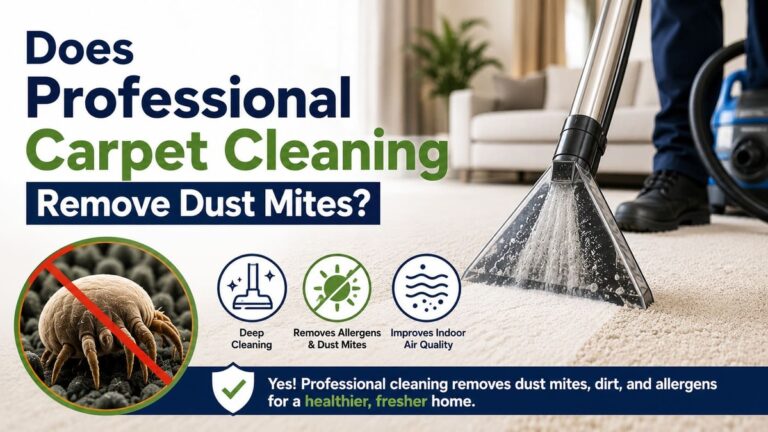
Microscopic organisms flourish in your carpet’s warm fibers, creating an invisible health hazard. Dust mites feed on dead skin cells that settle into carpeting daily, producing waste particles that trigger allergic reactions. Their populations can reach millions per square meter in neglected carpets. Any household with poor ventilation faces increased biological contamination risks.
Chemical residues and volatile organic compounds
Cleaning products, pesticides, and carpet treatments leave behind chemical traces that continuously evaporate into your indoor air. VOCs from adhesives, stain protectors, and synthetic fibers release gases at room temperature. These compounds accumulate in enclosed spaces, creating long-term exposure risks. Any new carpet installation releases particularly high VOC levels initially.
Your carpet acts as a chemical reservoir, trapping outdoor pollutants tracked in on shoes alongside household cleaning agents. Formaldehyde from carpet backing, flame retardants, and stain-resistant treatments continue off-gassing for months or even years after application. Studies show that carpets in high-traffic areas accumulate pesticides at concentrations up to ten times higher than outdoor soil levels. Children playing on floors face the greatest exposure risk, as they breathe air closer to carpet surfaces where chemical concentrations peak. Professional cleaning methods sometimes introduce additional chemicals that require adequate ventilation to dissipate safely from your living environment.
Health Implications of Poorly Maintained Carpeting
Neglected carpets become breeding grounds for harmful contaminants that directly compromise your family’s health. Dust mites, bacteria, and mold spores accumulate deep within carpet fibers, releasing irritants into your breathing space with every footstep. Your household faces increased risks of allergic reactions, skin irritations, and respiratory complications when carpets remain uncleaned for extended periods.
Respiratory triggers and asthma exacerbation
Dirty carpets release allergens and particulates that irritate your airways and trigger asthma attacks. Pollen, pet dander, and dust mite waste trapped in fibers become airborne when disturbed, causing wheezing, coughing, and breathing difficulties. Children and elderly family members face heightened vulnerability to these respiratory challenges from contaminated flooring.
Long-term effects of airborne particulate matter
Prolonged exposure to carpet-borne particles damages your respiratory system over time. Fine particulates penetrate deep into your lungs, causing chronic inflammation and reduced lung function. Your body’s natural defenses weaken as continuous exposure overwhelms its ability to filter harmful contaminants from indoor air.
Particulate matter from dirty carpets accumulates in your body’s tissues, creating lasting health consequences you might not immediately notice. Studies show that consistent exposure to these microscopic particles increases your risk of developing chronic bronchitis, cardiovascular problems, and immune system dysfunction. Your lungs struggle to expel these tiny contaminants, which can measure less than 2.5 micrometers in diameter, allowing them to bypass natural filtration systems. Over years of exposure, this burden on your respiratory system can lead to irreversible damage, reduced oxygen absorption capacity, and increased susceptibility to infections that your body would normally fight off effectively.
Cleaning Methodologies: Pros and Cons of Various Approaches
Selecting the right carpet cleaning method directly impacts how effectively you remove pollutants from your indoor environment. Different techniques offer varying levels of deep cleaning, drying times, and chemical exposure. Your choice should balance effectiveness against practical considerations like cost, convenience, and the specific contaminants present in your carpets.
| Method | Pros and Cons |
| Hot Water Extraction (Steam Cleaning) | Pros: Deep cleaning, removes embedded dirt, kills bacteria and allergensCons: Long drying time (12-24 hours), potential for mold if not dried properly |
| Dry Chemical Cleaning | Pros: Quick drying (1-2 hours), convenient, minimal moistureCons: Surface-level cleaning only, chemical residue may irritate sensitive individuals |
| Encapsulation | Pros: Low moisture, fast drying, environmentally friendlyCons: Not suitable for heavily soiled carpets, requires regular maintenance |
| Bonnet Cleaning | Pros: Quick results, ideal for commercial spaces, minimal downtimeCons: Only cleans surface fibers, pushes dirt deeper into carpet padding |
| Shampooing | Pros: Affordable, effective on heavily soiled areasCons: Leaves sticky residue, attracts dirt quickly, lengthy drying time |
Hot water extraction vs. dry chemical cleaning
Hot water extraction penetrates deep into carpet fibers, extracting allergens and bacteria that affect your respiratory health. Dry chemical methods work faster with minimal moisture but only address surface contaminants. Your decision depends on whether you need thorough decontamination or quick maintenance cleaning for your space.
Professional remediation vs. consumer-grade equipment
Professional equipment generates significantly higher suction power and water temperature than rental machines you find at grocery stores. Certified technicians understand proper chemical dilution ratios and extraction techniques that prevent mold growth. Consumer-grade tools may improve appearance but often leave moisture and contaminants embedded deep within carpet padding.
Rental machines typically operate at 100-150 PSI, while professional truck-mounted systems reach 500 PSI or higher, extracting substantially more water and pollutants. The training professionals receive enables them to identify specific contaminant types and select appropriate treatments for your situation. Your investment in professional service pays dividends through more complete allergen removal, faster drying times, and extended carpet lifespan compared to DIY attempts.
Expert Tips for Maintaining a Healthy Indoor Environment
Professional carpet maintenance requires consistent attention and proven strategies to keep your indoor air quality at optimal levels. You need to implement regular cleaning routines, invest in quality equipment, and address problem areas before they compromise your home’s atmosphere. The combination of these practices creates a comprehensive defense against airborne pollutants and allergens.
- Vacuum high-traffic areas at least three times weekly
- Schedule professional deep cleaning every 6-12 months
- Use doormats at all entry points to reduce dirt infiltration
- Remove shoes indoors to minimize contaminant tracking
- Address spills and stains immediately to prevent mold growth
The success of your indoor air quality depends on following these guidelines consistently throughout the year.
Strategic vacuuming schedules and HEPA filtration
Your vacuum cleaner should feature HEPA filtration to trap microscopic particles that standard filters miss. You’ll need to vacuum carpeted areas at least twice weekly, increasing frequency in zones with heavy foot traffic. The right equipment captures 99.97% of airborne contaminants, preventing them from recirculating.
Preventive measures and high-traffic area management
Protecting your carpets starts at entry points where dirt and debris first enter your home. You should place commercial-grade mats at every doorway and establish a no-shoes policy for family members and guests. The proactive approach reduces the amount of pollutants reaching your carpets.
High-traffic zones demand special attention because they accumulate contaminants faster than other areas. You can extend carpet life and improve air quality by rotating furniture periodically to distribute wear patterns evenly. Applying carpet protectant treatments creates an invisible barrier that repels stains and makes cleaning more effective. Your hallways, living rooms, and entryways benefit from area rugs that you can remove and clean separately, providing an extra layer of protection for the carpet underneath.
Step-by-Step Guide to Restoring Air Purity
Your carpet restoration process requires systematic action to eliminate pollutants and allergens that compromise your indoor environment. Professional intervention combined with proper techniques will transform contaminated flooring into a clean, breathable surface. Following these protocols ensures you maximize air quality improvements throughout your living space.
| Restoration Step | Air Quality Impact |
| Pre-treatment inspection | Identifies contamination sources |
| Hot water extraction | Removes 98% of allergens |
| HEPA filtration vacuuming | Captures microscopic particles |
| Antimicrobial treatment | Prevents mold and bacteria growth |
| Proper drying protocol | Eliminates moisture-related pollutants |
Deep cleaning and extraction protocols
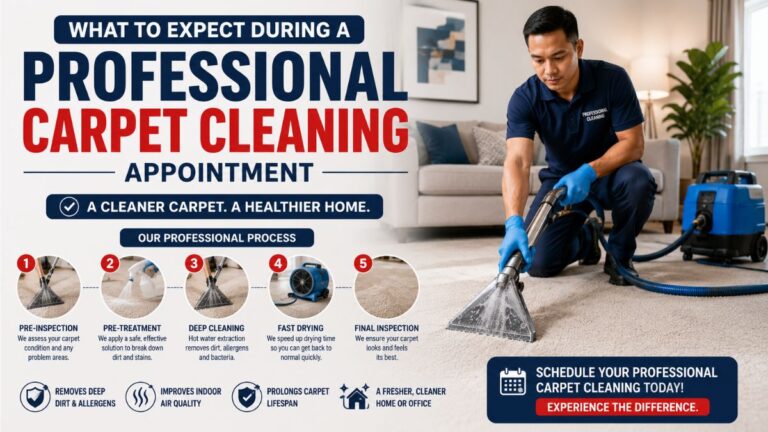
Hot water extraction penetrates deep into carpet fibers, dislodging embedded dirt, dust mites, and allergens that regular vacuuming cannot reach. You should ensure your cleaning service uses equipment heated to at least 200°F for optimal sanitization. This method extracts contaminants while minimizing chemical residue that could affect your air quality.
Post-cleaning ventilation and drying procedures
Proper airflow prevents moisture accumulation that leads to mold growth and musty odors in your freshly cleaned carpets. You must open windows and run fans or dehumidifiers for at least 6-8 hours after cleaning. Complete drying within 24 hours protects your investment and maintains healthy indoor air.
Your drying strategy directly determines whether cleaning improves or worsens your air quality. Wet carpets become breeding grounds for mold spores and bacteria within 24-48 hours if left damp. You can accelerate the process by increasing room temperature to 70-75°F and maintaining humidity below 50%. Air movers positioned at carpet edges create circulation patterns that extract moisture from padding and subfloors. Professional-grade equipment dries carpets in 4-6 hours, while household fans may require 12-24 hours depending on humidity levels and carpet thickness.
Conclusion
Considering all points, you need to recognize that dirty carpets directly compromise your indoor air quality by harboring allergens, dust mites, and pollutants that circulate throughout your home. Regular professional cleaning protects your family’s respiratory health and creates a healthier living environment. Your carpets act as filters, and when neglected, they release harmful particles into the air you breathe daily. Taking action to maintain clean carpets is important for your wellbeing.
Frequently Asked Questions (FAQ)
How do dirty carpets release pollutants into the air I breathe?
Carpets act like giant filters that trap dust, dirt, pet dander, pollen, and chemical residues deep within their fibers. Every time someone walks across a dirty carpet, these particles get stirred up and released back into your indoor air. The constant foot traffic creates a pumping action that pushes contaminated air upward from the carpet base. Vacuum cleaners can only remove surface-level debris, leaving pounds of accumulated pollutants embedded in the deeper layers. These trapped particles include bacteria, mold spores, and allergens that become airborne with regular activity. Your HVAC system then circulates these contaminants throughout your entire home, affecting every room. Studies show that carpets can hold up to four times their weight in dirt before appearing visibly soiled, meaning the air quality problem exists long before you notice any staining.
What specific health problems can develop from breathing air contaminated by dirty carpets?
Respiratory issues are the most common health concern linked to pollutants released from unclean carpets. People with asthma or allergies experience more frequent attacks and worsened symptoms when exposed to carpet-borne allergens. Children playing on dirty carpets face higher risks because they breathe faster than adults and spend more time in close contact with floor surfaces. Skin irritations and rashes can develop from direct contact with contaminated carpet fibers. Headaches, fatigue, and difficulty concentrating often occur in spaces with poor air quality caused by dirty flooring. Mold growth in damp carpets releases mycotoxins that can cause serious respiratory infections and immune system problems. Pet owners face additional risks from dried urine crystals that release ammonia gas into the air. Long-term exposure to these pollutants can weaken your immune system and make you more susceptible to infections and illnesses.
How often should I clean my carpets to maintain healthy indoor air quality?
Professional deep cleaning should happen every 6-12 months for most households to maintain acceptable air quality standards. Homes with pets, children, or family members with allergies need professional cleaning every 3-6 months. High-traffic areas require more frequent attention since they release more particles into the air with constant use. Daily vacuuming with a HEPA-filter vacuum removes surface particles before they become embedded and airborne. Spot cleaning spills immediately prevents moisture from seeping deep into padding where mold and bacteria thrive. Steam cleaning or hot water extraction methods work best because they kill bacteria and remove deep-seated contaminants that affect air quality. The season matters too-spring and fall cleanings help remove pollen and allergens that accumulate during peak seasons. You’ll notice improved breathing, reduced allergy symptoms, and less dust on surfaces when you maintain a regular carpet cleaning schedule.