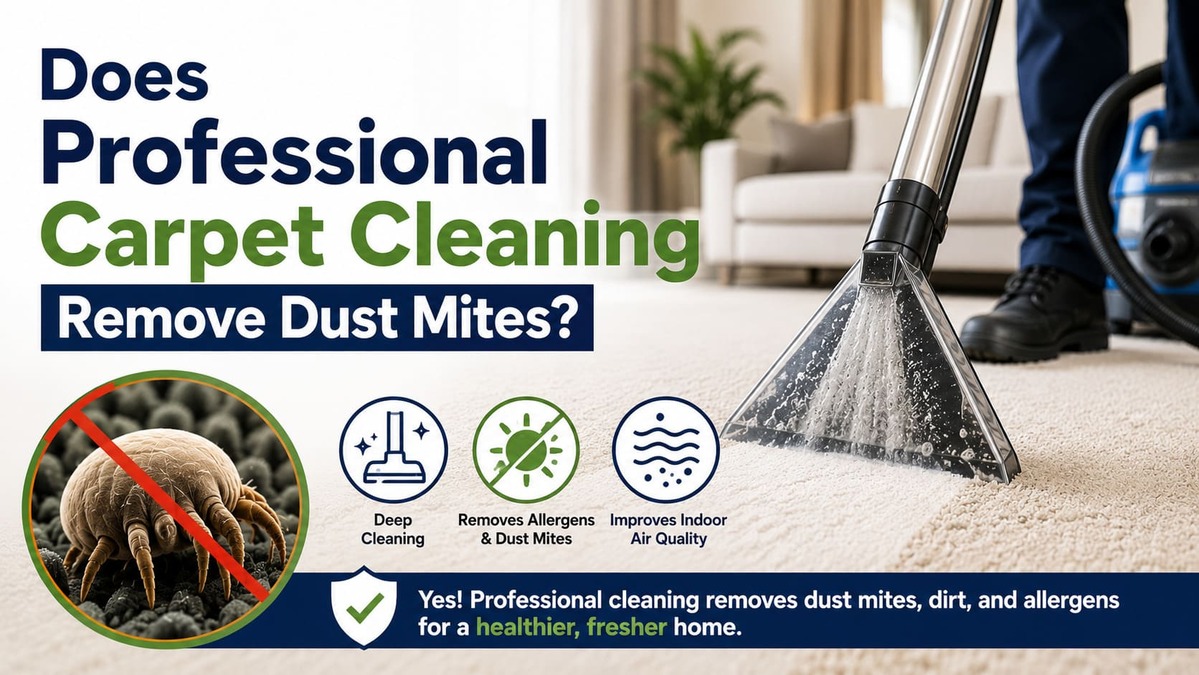
Does Professional Carpet Cleaning Remove Dust Mites?
Most homeowners don’t realize their carpets harbour millions of dust mites feeding on dead skin cells. You need to understand that professional carpet cleaning can eliminate up to 95% of these microscopic pests when done correctly. Steam cleaning at high temperatures proves most effective, as dust mites cannot survive heat above 54 degrees celsius. Regular cleaning protects your family from allergies and respiratory issues.
Key Takeaways:
- Professional carpet cleaning with hot water extraction (steam cleaning) kills dust mites and removes up to 90% of allergens from carpet fibers. The high temperatures used during the process, typically above 54 degrees celsius, are lethal to dust mites and their eggs.
- Regular vacuuming with HEPA filters between professional cleanings helps control dust mite populations by removing their primary food source-dead skin cells and organic debris that accumulate in carpets.
- Complete dust mite elimination requires a multi-step approach beyond carpet cleaning alone. Using allergen-proof bedding covers, maintaining indoor humidity below 50%, and cleaning carpets every 6-12 months creates an environment where dust mites cannot thrive.
Understanding Dust Mites and Carpet Infestation
Carpets provide an ideal environment for dust mites to thrive, offering warmth, moisture, and an abundant food source from shed skin cells. Your carpeting can harbor millions of these microscopic pests, particularly in high-traffic areas and bedrooms. The dense fiber structure creates protective spaces where dust mites reproduce rapidly, making your floors a primary reservoir for allergens in your home.
Biology and Survival in Floor Fibers
Dust mites measure just 0.3 millimeters and feed exclusively on dead skin cells that accumulate deep within carpet fibers. These arachnids require humidity levels above 50% to survive and reproduce every three weeks. Your carpet’s microclimate maintains the perfect temperature and moisture conditions, allowing colonies to establish themselves and persist year-round.
Impact of Dust Mite Allergens on Indoor Air Quality
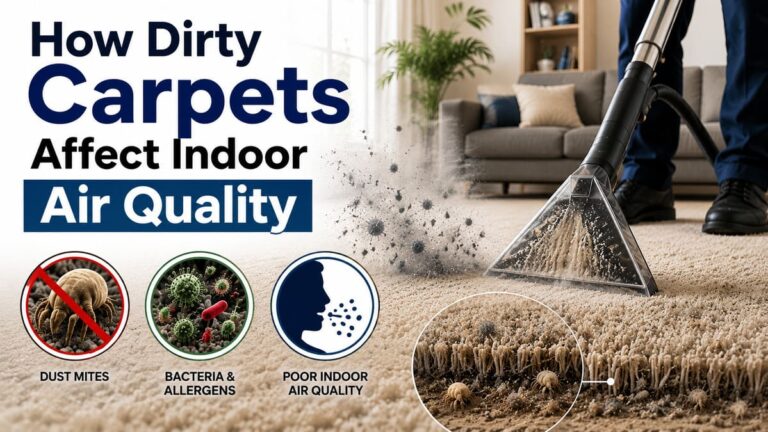
Your indoor air quality suffers dramatically when dust mite waste particles become airborne through foot traffic and vacuuming. These allergens trigger respiratory issues, asthma attacks, and allergic reactions in sensitive individuals. Carpeted homes typically contain 100,000 dust mites per square yard, continuously releasing proteins into your breathing space.
The fecal pellets and body fragments of dust mites contain potent proteins that your immune system recognizes as threats. Each mite produces approximately 20 waste droppings daily, which dry out and break into fine particles that circulate through your home’s air. When you walk across carpeted surfaces, you disturb these settled allergens, sending them back into suspension where they remain airborne for up to 30 minutes. Your HVAC system then distributes these particles throughout every room, creating a persistent exposure problem that affects your family’s health even in spaces without carpeting.
Types of Carpet Cleaning Methods for Allergen Removal
Several professional carpet cleaning methods target dust mites and their allergens with varying effectiveness. Your choice depends on carpet type, allergen severity, and drying time requirements. Each technique offers distinct advantages for eliminating microscopic pests from your flooring.
| Cleaning Method | Dust Mite Effectiveness |
| Steam Cleaning/Hot Water Extraction | Kills 95-100% of mites |
| Dry Chemical Treatment | Kills 80-90% of mites |
| Low-Moisture Encapsulation | Removes 70-85% of allergens |
| Bonnet Cleaning | Surface-level removal only |
| Vacuum with HEPA Filter | Removes 60-75% of allergens |
- High-temperature methods provide superior mite elimination
- Professional equipment reaches deeper carpet layers than home machines
- Drying time varies from 2-24 hours depending on technique
- Assume that combining multiple methods yields the best long-term results
Steam Cleaning and Hot Water Extraction
Heat above 130°F instantly kills dust mites and denatures their allergenic proteins. Your carpet receives deep penetration when hot water combines with powerful extraction, removing dead mites, feces, and skin cells. This method remains the gold standard for allergen elimination recommended by allergists.
Dry Chemical and Low-Moisture Techniques
Chemical treatments use specialized compounds that desiccate dust mites without excessive water. Your carpets dry within 1-2 hours, making this option ideal for commercial spaces or moisture-sensitive environments. The quick turnaround prevents mold growth while maintaining effective allergen control.
Encapsulation technology represents a modern approach within dry cleaning methods. Polymer-based solutions crystallize around dirt particles and allergens, which you can then vacuum away once dried. Your carpet fibers resist rapid re-soiling because the protective coating repels future contaminants. This technique works exceptionally well for maintenance between deep cleanings, though it may not penetrate as deeply as water-based extraction. Professional-grade dry compounds contain tannic acid or benzyl benzoate, both proven to neutralize dust mite allergens at the molecular level.
Factors Determining the Success of Mite Eradication
Several variables influence how effectively your carpet cleaning eliminates dust mites from your home. The method you choose, equipment quality, and cleaning frequency all play distinct roles in determining outcomes. Professional services typically achieve better results than DIY approaches due to specialized equipment and expertise. The combination of these factors creates varying levels of success in removing both live mites and their allergenic waste products.
- Water temperature used during cleaning
- Suction power of extraction equipment
- Cleaning solution effectiveness
- Carpet fiber depth and density
- Pre-treatment methods applied
The success rate depends on how well you address each of these elements during the cleaning process.
Water Temperature and Thermal Lethality
Hot water extraction proves most effective when temperatures reach specific thresholds that kill dust mites on contact. Your cleaning system must maintain heat levels throughout the process to achieve maximum thermal lethality. Professional equipment typically sustains higher temperatures than rental machines, directly impacting mite elimination rates.
| Temperature Range | Effectiveness Against Mites |
| Below 130°F (54°C) | Minimal impact on mites |
| 130-140°F (54-60°C) | Partial mite mortality |
| Above 140°F (60°C) | Near-complete mite elimination |
| 160°F+ (71°C+) | Instant mite death |
Suction Power and Allergen Extraction Depth
Powerful vacuum extraction removes mites, eggs, and allergenic debris from deep within carpet fibers where they accumulate. Your cleaning equipment’s suction capacity determines how thoroughly these contaminants get removed from the carpet base. Professional-grade machines generate significantly stronger suction than consumer models.
Extraction depth matters because dust mites and their waste products settle throughout the entire carpet pile, not just the surface. Your standard household vacuum only addresses the top layer, leaving colonies thriving in the backing and padding beneath. Professional systems penetrate multiple inches into the carpet structure, pulling out embedded allergens that have accumulated over months or years. You need sustained suction pressure combined with proper cleaning solution dwell time to dislodge particles bonded to carpet fibers at various depths.
Step-by-Step Deep Cleaning Guide for Sanity
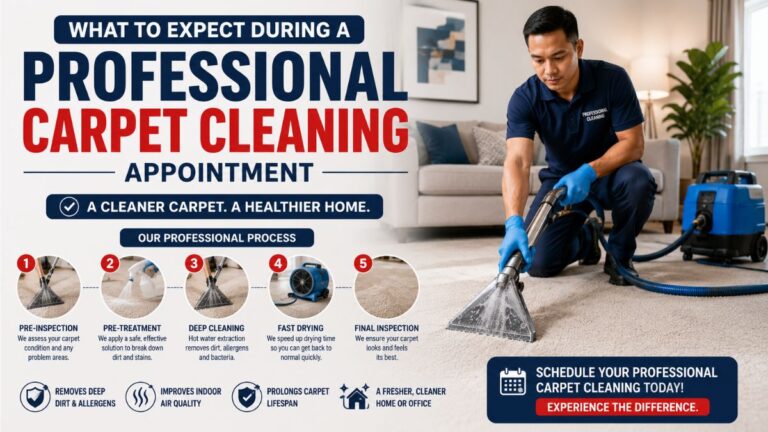
Your carpet requires a systematic approach to eliminate dust mites effectively. Following a structured cleaning protocol ensures maximum mite removal while protecting your carpet fibers. The process combines chemical treatment, heat application, and thorough extraction to address both live mites and their allergens.
| Step | Action |
| 1. Vacuum | Remove surface debris and loose particles |
| 2. Pre-Treat | Apply anti-allergen solution to carpet |
| 3. Heat Application | Use steam at 130°F minimum temperature |
| 4. Extraction | Remove moisture, mites, and allergens |
| 5. Dry | Ensure complete drying within 24 hours |
Pre-Treatment and High-Heat Application
Specialized anti-allergen solutions break down mite proteins before the cleaning process begins. You should apply these treatments evenly across all carpet surfaces, allowing five to ten minutes for penetration. Steam cleaning at temperatures exceeding 130°F kills dust mites on contact while loosening embedded allergens from carpet fibers.
Intensive Extraction and Rapid Drying Protocols
Powerful extraction equipment removes dead mites, fecal matter, and cleaning solution from deep within your carpet. You need professional-grade machines that provide strong suction to prevent moisture retention. Quick drying prevents mite repopulation and mold growth in your freshly cleaned carpets.
Your carpet’s moisture content determines whether mites can reestablish colonies after cleaning. Professional extractors remove up to 95% of applied moisture, leaving carpets only slightly damp. You should use air movers and dehumidifiers to achieve complete dryness within 12-24 hours. Proper ventilation accelerates the drying process and maintains air quality throughout your home. Carpets that remain wet for extended periods create breeding grounds for new mite populations, undermining your cleaning efforts.
Maintenance Tips to Prevent Re-Infestation
Your carpets need consistent care to keep dust mites from returning after professional cleaning. Simple daily habits make a significant difference in maintaining a mite-free environment:
- Vacuum high-traffic areas at least twice weekly
- Wash bedding and throws in hot water every week
- Keep indoor humidity below 50%
- Remove shoes before walking on carpets
After implementing these practices, you’ll notice fewer allergy symptoms and cleaner indoor air.
HEPA Vacuuming and Humidity Control Strategies
High-efficiency particulate air filters trap 99.97% of dust mite allergens during regular vacuuming sessions. You should invest in a quality HEPA vacuum and use it methodically, making slow passes to capture embedded particles. Dehumidifiers work alongside your cleaning routine by creating conditions where dust mites cannot survive or reproduce effectively.
Frequency of Professional Sanitization Cycles
Professional carpet sanitization should occur every 6-12 months depending on your household conditions. Homes with pets, children, or allergy sufferers benefit from quarterly treatments, while low-traffic areas require less frequent attention.
Scheduling professional cleaning at regular intervals prevents dust mite populations from reaching problematic levels. Your specific timeline depends on factors like carpet type, household size, and local climate conditions. Homes in humid regions need more frequent professional intervention since moisture accelerates mite reproduction. You can extend time between treatments by maintaining proper humidity levels and following strict vacuuming schedules. Professional technicians use specialized equipment and solutions that penetrate deeper than consumer-grade products, eliminating mites in carpet backing and padding where they typically hide and breed.
Conclusion
Summing up, professional carpet cleaning effectively removes dust mites and their allergens from your carpets. You can rely on hot water extraction methods to eliminate up to 95% of these microscopic pests. Regular cleaning every 6-12 months keeps dust mite populations under control and improves your indoor air quality. Steam cleaning at high temperatures proves most effective, killing mites and extracting their waste products from carpet fibers.
Frequently Asked Questions (FAQ)
Does professional carpet cleaning effectively remove dust mites from my home?
Professional carpet cleaning does remove a significant portion of dust mites and their allergens from your carpets. Hot water extraction, also known as steam cleaning, is particularly effective because it uses water heated to 130-140°F, which kills dust mites on contact. The powerful suction then removes dead mites, their waste products, and the skin flakes they feed on. Studies show that professional cleaning can reduce dust mite populations by 80-95% when done correctly. The treatment needs to be repeated every 3-6 months to maintain low mite levels, as these microscopic creatures reproduce quickly and will repopulate treated areas over time.
What carpet cleaning method works best for eliminating dust mites?
Steam cleaning (hot water extraction) is the most effective method for eliminating dust mites from carpets. The high temperature kills the mites instantly, while the deep cleaning action removes allergens embedded in carpet fibers. Dry cleaning methods can also reduce mite populations but are less effective because they don’t use the heat necessary to kill mites. You can enhance results by having your carpets treated with anti-allergen solutions specifically designed to denature dust mite proteins. Some professional cleaners offer tannic acid or benzyl benzoate treatments that provide longer-lasting protection. Vacuuming with a HEPA filter before professional cleaning helps remove surface debris and allows the deep cleaning to be more effective.
How long do carpets stay dust mite-free after professional cleaning?
Carpets typically remain significantly reduced in dust mite populations for 2-4 months after professional cleaning. The exact duration depends on several factors including humidity levels, foot traffic, and whether you have pets. Dust mites thrive in humid environments above 50% relative humidity, so homes in damp climates may see faster repopulation. Regular vacuuming twice weekly with a HEPA-filter vacuum helps extend the benefits of professional cleaning. Keeping indoor humidity below 50% using dehumidifiers creates an environment where dust mites struggle to survive. Scheduling professional cleanings every 3-6 months provides the best long-term control of dust mite populations in your carpets and helps maintain better indoor air quality for allergy sufferers.